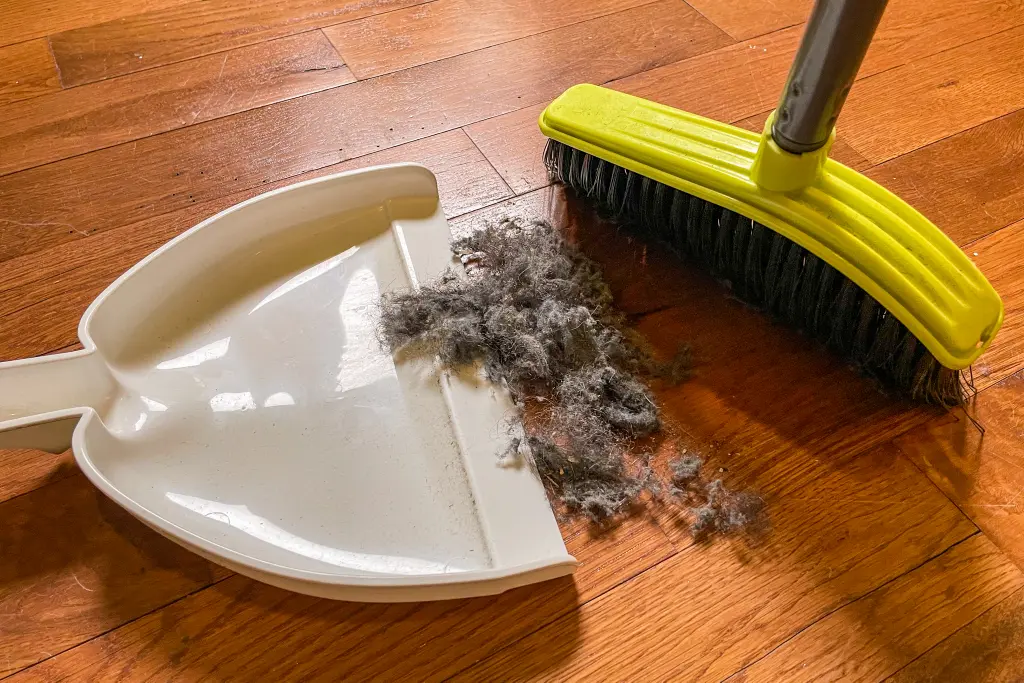
Persian rug cleaning is simple but crucial to maintaining its beauty and value. Learn how to clean and care for them in this guide.

Best Way for Persian Rug Cleaning
As I step into a room adorned with a magnificent Persian rug, I am immediately captivated by its timeless beauty. The intricate patterns and vibrant colors transport me to a world steeped in culture and tradition. Each one is unique, handcrafted with intricate designs. They add warmth, beauty, and elegance to any room.
With their rich history and exquisite craftsmanship, Persian rugs hold a special place in the hearts of many. However, beyond their visual allure, these rugs require diligent care to maintain their splendor.
In this article, you will learn about Persian rugs, their value, and how to maintain them. We’ll also dive into some interesting facts and statistics about Persian rug cleaning. By the end of this article, you will better understand how to preserve your precious Persian rugs and enjoy them for years to come.
Section 1: How Often Should You Clean a Persian Rug?
One of the most common questions that Persian rug owners have is “can you clean a Persian rug yourself or how do professionals clean oriental rugs? The answer depends on several factors, such as foot traffic, placement, pets and kids. Let me explain how these factors affect the cleaning frequency and provide some tips for regular vacuuming and spot cleaning.

Foot Traffic
The more people walk on your rug, the more dirt and dust it will collect. It can make your rug look dull and worn out over time. To prevent this, vacuum your rug at least once a week if it is in a high-traffic area, such as a living room or hallway. If it is in a low-traffic area, such as a bedroom or study, you can vacuum it less often, once every two weeks or once a month.
Placement
The location of your rug can also affect how often you need to clean it. If your rug gets exposed to direct sunlight, it can fade or discolor faster. To prevent this, rotate your rug every few months to distribute the exposure evenly.
If your rug is near a door or window, it can collect more dust or pollen from the outside. To prevent this, vacuum your rug more frequently and use a doormat to trap dirt from shoes.
Pets and Kids
If you have pets or kids at home, you may have more stains and spills on your rug. Pets can also shed hair or dander that can accumulate on your carpet.
To prevent this, groom your pets regularly and keep them off your rug as much as possible. You should also vacuum your mat more often to remove pet hair or dander. Kids can cause accidents or messes on your rug, such as food crumbs, juice spills, or crayon marks.
To prevent this, supervise your kids when they play on your carpet and teach them to respect it. You should also clean up any spills or stains as soon as they happen.
Tips for Regular Persian Rug Cleaning
As a general rule of thumb, clean your Persian rug professionally every three to five years, depending on the abovementioned factors. Professional cleaning can remove any deep-seated dirt or stains that regular vacuuming or spot cleaning cannot. It can also restore the colors and luster of your rug and extend its life span.

However, be careful when choosing a professional rug cleaning service. Ensure they have experience and expertise in handling Persian rugs.
You should maintain your rug by regular vacuuming and spot cleaning between professional cleanings. Vacuuming can remove any loose dirt or dust that can damage the fibers of your rug. Spot cleaning can remove any stains or spills that ruin your rug’s appearance. Here are some tips for vacuuming and spot-cleaning your Persian rug:
Vacuuming
- Use a vacuum cleaner with gentle suction and no beater bar or brush attachment. These can damage the pile or fringe of your rug.
- Vacuum both sides of your rug gently and slowly toward the fibers.
- Avoid vacuuming over any loose threads or tears, as this can worsen them.
Spot Cleaning
- Use a clean, damp cloth or sponge to blot the affected area gently.
- Do not rub or scrub the stain, which can spread or damage the fibers.
- Use only water or a mild detergent safe for wool and natural dyes.
- Test the detergent on a small inconspicuous area first to ensure it does not cause discoloration or fading.
- Rinse the cloth or sponge frequently and blot until no more stains transfer to it.
- Blot dry with a clean towel and let the area air dry completely.
Section 2: How to Dry Clean a Persian Rug?
Sometimes, you should dry clean your Persian rug instead of washing it with water. Dry cleaning is preferable for smaller rugs that are easier to handle and transport.

It is also a good option for rugs that are very delicate, fragile, or valuable. Dry cleaning can remove dust, dirt, stains, and odors from your rug without using water or harsh chemicals that can damage the fibers or colors of your rug.
There are different methods of dry cleaning a Persian rug, but the most common is using a dry cleaning powder or compound. It’s a substance that contains tiny particles that can absorb dirt and oil from your rug. The steps involved in oriental rug cleaning are:
- Vacuum your rug thoroughly on both sides to remove any loose dirt or dust
- Sprinkle the dry cleaning powder or compound evenly over your rug. Make sure to cover the entire surface and not miss any spots
- Use a soft brush or broom to work the powder or compound into the fibers of your rug. Brush gently and in the direction of the pile
- Let the powder or compound sit on your rug for about 15 to 20 minutes. It will allow it to absorb any dirt or oil from your rug
- Vacuum your rug again on both sides to remove the powder or compound and any dirt or oil it has absorbed
- Check your rug for any remaining stains or odors. If needed, repeat the process until your rug is clean and fresh
Benefits and Cost of Persian Rug Cleaning
The cost and benefits of dry cleaning a Persian rug depend on several factors, such as the size, condition, and quality of your rug. Plus, the type and amount of dry cleaning powder or compound you use.
Dry cleaning a Persian rug can cost anywhere from $10 to $20 per square foot. The benefits of this expo rug cleaning method include the following:
- Preserving the colors and patterns of your carpet without fading or bleeding
- Protecting the fibers and texture of your carpet without shrinking or stretching
- Saving time and energy by avoiding water and drying processes
- Reducing the risk of mold and mildew growth by avoiding moisture
Section 3: How to Hand Clean a Persian Rug?
Sometimes, you should hand clean your Persian rug instead of dry cleaning it. Hand cleaning is preferable for larger rugs that are difficult to transport or rugs that are very dirty or stained.
Hand cleaning can remove dust, dirt, stains, and odors from your rug using water and a mild detergent safe for wool and natural dyes. The steps involved on how to clean Persian rug by hand are:
1. Prepare a Cleaning Solution
- Mix water with a small amount of mild detergent in a bucket or a spray bottle.
- Stir until it gets bubbly.
- You can also add a splash of vinegar to help neutralize any odors and brighten the colors.
2. Test for Colorfastness
Before applying the cleaning solution to your rug, test it on a small inconspicuous area first to ensure it does not cause discoloration or fading. If the color runs or changes, you should not use the solution on your rug.
3. Wash the Rug
- Bring your rug outside or to a well-ventilated area
- Hose your rug down on both sides until it is completely wet
- Spray or sponge the cleaning solution onto your carpet, starting from one corner and working in a grid pattern to cover the entire surface
- Use a soft brush or broom to gently scrub the solution into the fibers of your rug, following the direction of the pile
- Avoid rubbing or scrubbing too hard, as this can damage the fibers or cause them to mat
4. Rinse the Rug
After you have washed your rug with the cleaning solution, rinse it thoroughly with clean water
- Hose your mat down on both sides until no more soap bubbles or residue are visible
- Make sure to rinse all the edges and corners of your rug as well
5. Dry the Rug
After you have rinsed your rug, dry it as quickly as possible to prevent mold and mildew growth.
- Lay your rug flat on a clean, dry surface and blot it with clean towels to remove excess water
- You can also use a wet-dry vacuum or a squeegee to extract more water from your rug
- Avoid wringing or twisting your carpet, as this can distort its shape or damage its fibers
- Let your rug air dry completely in a shaded area away from direct sunlight
- You can also use fans or dehumidifiers to speed up the drying process
- Flip your rug over occasionally to ensure even drying on both sides
Tips to Prevent Damaging Your Rug When Hand Cleaning
Some precautions and warnings to prevent damaging your antique Persian rug cleaning are:
- Do not use hot water, bleach, ammonia, or any other harsh chemicals on your rug, as these can damage the fibers or colors of your carpet
- Do not soak your rug for too long, as this can cause shrinking, bleeding, or fading of your rug
- Do not fold or hang your rug when it is wet, as this can cause creases, cracks, or tears in your rug
- Do not walk on or place any furniture on your rug until completely dry, as this can cause permanent indentations or damage.
I hope these tips on how to clean a Persian rug by hand can help you.
Section 4: How to Prevent Stains and Odors on a Persian Rug?
Stains and odors are the most common and annoying problems affecting your Persian rug. They can ruin the appearance and smell of your rug and make it less enjoyable to use.

Let’s look at some common causes of stains and odors on your Persian rug. I will also provide you with some solutions and remedies for removing them. Some of the common causes of stains and odors on your Persian rug are:
- Spills from food, drinks, or other liquids can cause stains and odors on your Persian rug. They can also attract insects or bacteria that can further damage your rug.
- Pets can cause stains and odors on your Persian rug by urinating, defecating, vomiting, or drooling. They can also shed hair or dander that can accumulate on your carpet.
- Mold and mildew can grow on your Persian rug if it gets exposed to moisture or humidity for too long. Mold can cause stains and odors on your mat and health problems for you and your family.
Remedies for Removing Stains and Odors From Your Persian Rug
1. Dust Accumulation and Dirt Particles
One of the most common issues Persian rugs face is dust accumulation and dirt particles trapped in the fibers. These can cause the rug to look dull, lose its softness, and wear out faster. To prevent this:
- Vacuum your rug regularly, at least once a week, using the right technique and settings
- Shake or beat your carpet occasionally to remove any loose dirt or debris
- Avoid placing your rug in areas where there is a lot of dust or dirt, such as near doors or windows
2. Stains and Spills
Another common issue Persian rugs face is stains and spills from food, drinks, pets, or other sources. These can ruin the colors and patterns of your rug and make it look unsightly. To prevent this, Clean up any spills as soon as they happen.
- Use a clean, damp cloth to blot the affected area
- Don’t rub or scrub the stain, which can spread or damage the fibers
- Avoid using harsh chemicals or detergents on your rug, as these can cause discoloration or fading
If the stain is stubborn or old, you may need to consult a professional rug cleaning service for advice.
3. Pet Hair and Odors
If you have pets at home, you may have to deal with pet hair and odors on your Persian rug. These can make your rug look dirty and smell unpleasant. To prevent this, groom your pets regularly and keep them off your carpet as much as possible. You should also:
- Vacuum your rug more frequently to remove any pet hair or dander.
- Sprinkle baking soda to remove any pet odor on your rug, and let it sit for a few hours before vacuuming it.
- You can also use a mild vinegar solution to spray on your rug and let it air dry
4. Moth Damage and Infestations
Among the most severe issues, Persian rugs face is moth damage and infestations. Moths get attracted to wool and other natural fibers and can eat away at your carpet, leaving behind holes and bald patches. They can also lay eggs in your rug, which can hatch into larvae that feed on the fibers. To prevent this:
- Inspect your rug regularly for any signs of moths or larvae, such as webbing, cocoons, or droppings.
- You should also keep your rug away from dark, damp, or humid areas where moths thrive.
- If you find any moths or larvae on your rug, act quickly to get rid of them before they cause more damage.
- You can use a vacuum cleaner to suck up any moths or larvae and dispose of them in a sealed bag.
- You can also use a freezer to kill any moths or larvae by wrapping your rug in plastic and placing it in the freezer for at least 48 hours.
- Alternatively, you can use a professional Persian rug cleaning service to treat your rug with a moth repellent or insecticide.
5. Mold and Mildew
Get rid of any signs of mold or mildew on your Persian rug, such as black spots, white patches, musty smell, or dampness.
- Use a vacuum cleaner with a HEPA filter to suck up any mold spores or dust from your rug.
- Use a clean, damp cloth or sponge to blot the affected area gently with a mild detergent that is safe for wool and natural dyes.
- Test the detergent on a small inconspicuous area first to ensure it does not cause discoloration or fading.
- Rinse the cloth or sponge frequently and blot until no more stain transfers to it.
- Blot dry with a clean towel and let the area air dry completely.
- You should also dry your rug thoroughly after cleaning it or exposing it to water.
I hope these oriental rug cleaning tips help you prevent and remove stains and odors from your Persian rug. To learn simple cleaning techniques for different floor types, check it out here.
Persian Rug Cleaning: Final Thoughts
Persian rugs are an excellent investment for your home, as they can add beauty, comfort, and value to any space. However, they also require special care and maintenance to keep them in good condition. I have shared some of the best ways to clean your Persian rug in this guide. I have also given you tips on preventing and removing stains and odors from your Persian rug.
By following these tips, you can ensure that your Persian rug stays clean and fresh for years.
If you want to learn more about Persian rug cleaning San Diego and other cleaning hacks and tips, you can check out our other helpful guides.
Persian Rug Cleaning FAQs
Should Persian Rugs be Cleaned?
Yes, the frequency of your area rug cleaning depends on the traffic in your home, the type of rug and the climate. It is good to have your rug cleaned at least once a year. However, if you have a high-traffic home or live in an environment with extreme weather conditions, you may need to have your rug cleaned more often.
What Is the Best Way to Clean a Persian Rug?
The best method depends on the type of rug you have. For example, wool rugs should get cleaned with mild detergent and cool water. Silk rugs should get cleaned with a unique solution for silk fabrics. If you are unsure how Persian rug cleaning works, it is best to consult a professional rug cleaner.
How Much Does It Cost to Have a Persian Rug Cleaned?
The rug cleaning San Diego cost and most other areas vary depending on the rug size, the type of rug, and the location of the rug cleaner. A professional Persian rug cleaning costs between $50 and $200.
Can You Clean a Persian Rug at Home?
Yes, you can clean a Persian rug at home by hand, washing it with lukewarm water and mild detergent. Regularly vacuum or shake the rug to remove dust and dirt. Avoid using harsh chemicals or machines that can damage the wool.
Can You Use a Carpet Shampooer on a Persian Rug?
You can use a carpet shampooer on a Persian rug, but it’s not recommended. Carpet shampooers can damage the natural fibers and colors of Persian rugs and cause them to fade, bleed, or shrink. A better way to clean a Persian rug is to use a mild rug shampoo and water solution and gently scrub the rug by hand with a soft brush or cloth. Rinse the rug thoroughly, dry it flat, or hang it in the sun.