Keeping your prefinished hardwood floors clean can be a challenge. Learn how to clean prefinished hardwood floors at home with these tips.

Learn How to Clean Prefinished Hardwood Floors
Do you love the look and feel of prefinished hardwood floors? I know I do. They add warmth and elegance to any room and are easy to install and maintain. Prefinished hardwood floors are wood planks that come pre-sanded, pre-stained, and pre-sealed from the factory. That means they have a flawless finish that can better resist scratches, stains, and moisture than unfinished floors.
But just because prefinished hardwood floors are low-maintenance, it doesn’t mean they don’t need any care at all. In fact, keeping them clean and well-maintained can extend their lifespan and enhance their appearance. Plus, it can also improve your home’s air quality and hygiene.
I will show you how to clean prefinished hardwood floors like a pro. You don’t need fancy equipment or harsh chemicals to do the job. Follow these simple steps, and you’ll be amazed by how your floors sparkle and shine!
Understanding Prefinished Hardwood Floors
Before we get into the details of how to clean prefinished hardwood floors, let’s take a moment to understand what they are and how they differ from other hardwood floors.
Prefinished hardwood floors are wood planks that get sanded, stained, and sealed at the factory before installation. It means they have a smooth and consistent finish that can withstand wear and tear better than unfinished floors.
On the other hand, unfinished floors are wood planks installed raw and then sanded, stained, and sealed on site. It allows for more customization and flexibility but requires more time and labor.
Pros and Cons of Prefinished Hardwood Floors
Prefinished hardwood floors have several advantages over unfinished floors.
- They are easier and faster to install since they require no on-site sanding or finishing.
- They have less odor and dust during installation, benefiting people with allergies or sensitivities.
- Multiple coats of protective finish give them higher quality and durability.
- They also have a more extended warranty and lifespan since they are less prone to scratches, stains, and moisture damage.
However, prefinished hardwood floors also have some drawbacks.
- They are more expensive than unfinished floors since they require more processing and materials at the factory.
- They also have less variety and customization options since they come in limited colors and styles.
Types of Prefinished Hardwood Floors
There are many types of prefinished hardwood floors available in the market today. Some of the most common ones are
1. Solid Prefinished Hardwood Floors
These are wood planks made from a single piece of wood. They are the most traditional and natural type of hardwood floors. They can get sanded and refinished multiple times over their lifetime. However, they are also more sensitive to changes in temperature and humidity, which can cause them to expand or contract.
2. Engineered Prefinished Hardwood Floors
These are wood planks made from multiple layers of wood or other materials. The top layer is a thin slice of hardwood that gives the appearance and feel of solid wood. They make the bottom layers of plywood or fiberboard that provide stability and strength.
Engineered hardwood floors are more resistant to changes in temperature and humidity. It makes them suitable for basements or other areas with high moisture levels. However, they can only get sanded and refinished once or twice over their lifetime.
3. Laminate Prefinished Hardwood Floors
They’re not made of wood but of synthetic materials that mimic the look of wood. The top layer is a photographic image of wood covered with a clear protective coating. They make the bottom layer of high-density fiberboard that provides support and durability.
They are the most affordable and easy-to-install type of prefinished hardwood floors. However, they are also the least realistic and natural-looking prefinished hardwood floors. They cannot get sanded or refinished over their lifetime.
Now, before you start cleaning your prefinished hardwood floors, there are some floor factors you need to consider first. These include:
Types of Finish
Prefinished hardwood floors can have different types of finish applied at the factory, such as oil-based, water-based, polyurethane, acrylic, or aluminum oxide. Each type of finish has other properties and characteristics that affect how you should clean them.
For example, oil-based finishes tend to be softer and matte than water-based finishes, which are more complex and glossier. Polyurethane finishes are more durable and resistant than acrylic, which is more eco-friendly and breathable. Aluminum oxide finishes are the most durable and scratch-resistant finish available today.
Manufacturer’s Instructions
Prefinished hardwood floors can also have different cleaning instructions depending on the manufacturer’s recommendations. Some manufacturers may advise using the best cleaner for factory-finished hardwood floors for their products. It is essential to follow the manufacturer’s instructions carefully to avoid voiding your warranty or causing any harm to your floors.
Conditions of Your Floors
Prefinished hardwood floors can also have different levels of dirtiness or damage depending on how often you use them or how well you maintain them. Some floors may only need light dusting or sweeping every few days.
Some floors may only have minor scratches or scuffs that can be easily buffed or covered, while others may have deep gouges or stains that require professional repair or refinishing. It is essential to assess the condition of your floors before you start cleaning them. Although, there are simple cleaning techniques for different floor types to determine the best course of action.
How to Clean Prefinished Hardwood Floors Preparation
Before you start cleaning your prefinished hardwood floors, you need to do some preparation work first. It will make the cleaning process easier and more effective. Here are some steps you need to take before you begin:
1. Gather the Necessary Cleaning Supplies
You don’t need a lot of fancy or expensive products to clean prefinished hardwood flooring. In fact, using the wrong products can damage your floors or leave behind residues that can dull their shine. The only things you need to clean prefinished hardwood are the following:
- A soft-bristled broom with a hardwood floor attachment: You will use a soft-bristled broom to remove dust and debris from your floors before wet cleaning. Ensure you gently motion to avoid scratching or denting your floors.
- A damp microfiber cloth or mop: You will use microfiber cloth to mop your floors with a mild cleaner or a DIY solution of water and vinegar. Ensure you wring out the cloth or clean well before using it, as too much water can cause your floors to swell or warp.
- A soft towel or cloth: You will use this to dry your floors after mopping. Ensure you use a lint-free and absorbent material to avoid leaving behind any fibers or moisture on your floors.
- A mild cleaner designed for prefinished hardwood floors or a DIY solution of water and white vinegar: You will use this bona hardwood floor cleaner to clean your floors and remove any dirt and grime in the grout lines. Ensure you use the best cleaning product for prefinished hardwood floors, as some cleaners may be too harsh or acidic for specific finishes. You can also make your cleaner by mixing one part white vinegar with four parts warm water. It’s a natural and eco-friendly option that can disinfect and deodorize your floors without harming them.
- A spray bottle: You will use the spray bottle to apply the cleaner to your floors. Ensure you spray lightly and evenly, as too much cleaner can leave behind streaks or residues on your floors.
2. Remove Furniture and Obstacles From the Area
You want a clear and spacious area to work on when you clean your prefinished hardwood floors. It will prevent you from bumping into or scratching your furniture or other items while cleaning.
It will also allow you to reach every corner and edge of your floors without missing any spots. While cleaning, you can move your furniture and obstacles to another room or place them on a protective sheet or pad.
3. Identify and Address Any Specific Floor Issues or Stains
Before mopping your prefinished hardwood floors, inspect them for any signs of damage or discoloration. If you notice any scratches, scuffs, gouges, or stains on your floors, try to fix them as soon as possible.
Depending on the severity of the issue, you may need to use different methods or products to repair or remove them. Here are some typical floor issues and how to deal with them:
- Scratches and scuffs: These are minor surface damages that dragging furniture or dropping objects on your floors can cause. They can make your floors look dull and worn out. To fix them, you can either buff them out with a fine steel wool pad or apply a touch-up kit that matches the color and finish of your floors. Cover them with a furniture marker, wax crayon, or wood filler.
- Gouges and dents: These are deeper and more serious damages that heavy impact, sharp objects, or moisture on your floors can cause. They can make your floors look uneven and damaged. To fix them, you may need to fill them in with wood putty or epoxy that matches the color and finish of your floors. You may also need to sand and refinish the affected area if the damage is too severe.
- Stains: These are discolorations that spill, leak, mold, mildew, or sunlight can cause on your floors. They can make your floors look dirty and unappealing. To remove them, you may need to use different store-bought cleaners depending on the type and source of the stain. For example, you can use hydrogen peroxide for water stains, baking soda for dirty grout or grease stains, rubbing alcohol for ink stains, or bleach for mold stains. You may also need to sand and refinish the affected area if the stain is too deep or stubborn.
What Steps You Need to Take
Step 1: Sweep or Vacuum the Floor

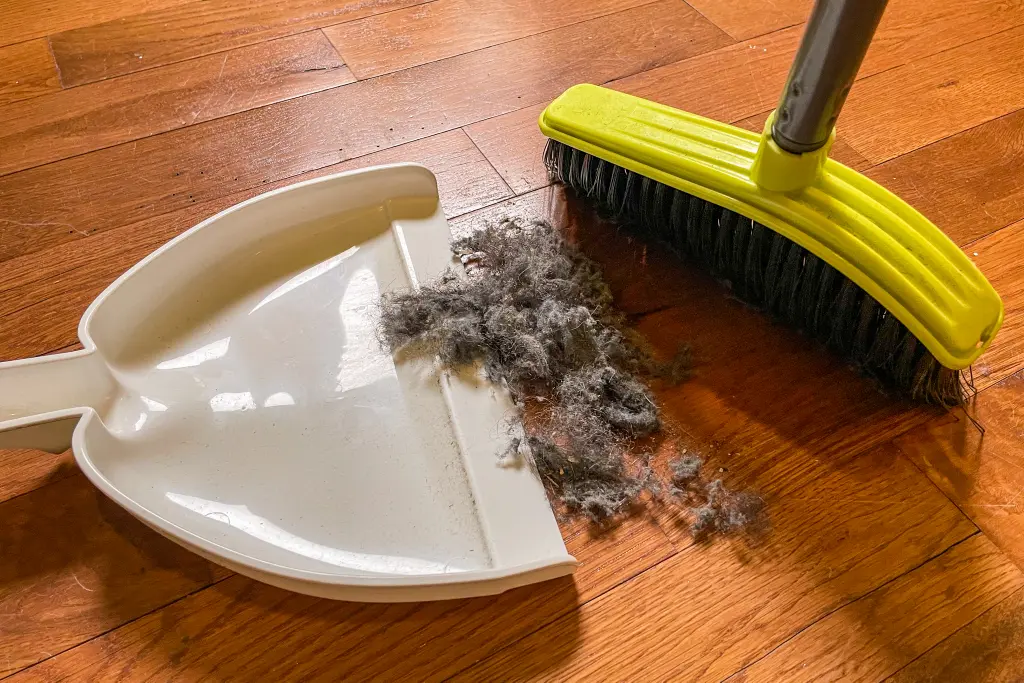
The first step how to restore shine to prefinished hardwood floors is to sweep or vacuum them. It will remove any dust, dirt, hair, crumbs, or other debris that may have accumulated on your floors over time.
It’s crucial because these particles can act as abrasives and scratch or dull your floors when you mop them. They can also interfere with the effectiveness of your cleaner and leave behind residues or streaks on your floors.
To sweep or vacuum your prefinished hardwood floors, use a soft-bristled broom or a vacuum cleaner with a hardwood floor attachment. These tools are gentle on your floors and prevent damage or marks.
You should avoid using a regular vacuum cleaner with a beater bar or a brush roll, as these can scratch or dent your floors. You should also avoid using a dust mop or a Swiffer, as these can leave behind fibers or chemicals on your floors.
When you sweep or vacuum your prefinished hardwood floors, follow these tips to avoid scratching or damaging them:
- Start from the corners and edges of the room and work your way toward the center. It will ensure you don’t miss any spots or leave any dust behind.
- Sweep or vacuum toward the wood grain. It will help you remove any dirt or debris trapped in the grooves or seams of your floors.
- Sweep or vacuum gently and evenly. Only apply a little pressure or speed, as this can cause friction and heat that can damage your floors.
- Sweep or vacuum frequently. Refrain from letting dust or dirt build up on your floors, making them harder to clean and more prone to scratches. You should sweep or vacuum your floors at least once a week or more often if you have pets, kids, or high-traffic areas.
These steps on cleaning dirt in hardwood floors’ grooves, you can prepare them for wet cleaning and protect them from scratches and dullness.
Step 2: Mop the Floor With a Damp Microfiber Cloth or Mop
The second step in cleaning prefinished hardwood floors is to mop them with a damp microfiber cloth or mop when on your hands and knees. It will remove any dirt or stains that may have remained on your floors after sweeping or vacuuming.
It’s important because these can make your floors look dull and unhygienic.
Use a damp microfiber cloth or mop, not a wet one, to mop your prefinished hardwood floors. A damp cloth or mop is moist enough to clean your floors without leaving behind too much water.
To dampen your microfiber cloth or mop, wash it well before using it. You can also spray it lightly with water or cleaner to moisten it. You should avoid soaking or dripping your cloth or mop, which can damage your floors.
Remember to use a mild cleaner designed for prefinished hardwood floors or a DIY solution of water and white vinegar. A mild cleaner is gentle enough to clean your floors without harming them. A DIY water and white vinegar solution is a natural and eco-friendly option that can disinfect and deodorize your floors without leaving any residues or odors behind.
To make your cleaner, mix one part white vinegar with four parts warm water in a spray bottle. You can also add a few drops of essential oil for fragrance. You should avoid using cleaners that contain ammonia, bleach, wax, oil, soap, or abrasive ingredients, as these can damage your floors or leave behind residues that can dull their shine.
Steps to Mop Hardwood Floors
Here are some tips to avoid leaving behind streaks on the wood floor after mopping:
- Spray the cleaner lightly and evenly on a small floor section. Refrain from spraying too much cleaner, as this can leave behind streaks or residues on your floors.
- Wipe the floor with the damp microfiber cloth or mop toward the wood grain. Don’t rub or scrub the floor too hard, as this can damage your floors.
- Rinse the cloth or mop frequently in clean water and wring it out well. Refrain from using dirty water or cleaner, which can spread dirt or stains on your floors.
- Dry the floor with a soft towel or cloth after mopping. Don’t leave any moisture or cleaner on your floors, as this can cause them to swell or warp.
- Repeat the process until you have cleaned the entire floor. Work in small sections and overlap slightly to avoid missing any spots.
These steps on cleaning prefinished hardwood properly, can remove any dirt or stains and make them look clean and shiny.
Step 3: Dry the Floor With a Soft Towel or Cloth
The final step on how to remove floor cleaner residue on your hardwood floors is to dry them with a soft towel or cloth. It will remove any moisture or cleaner that may have remained on your floors after mopping. It’s essential because leaving your floors wet can cause them to swell or warp. It can also create spots or streaks that can dull their shine.
To dry your prefinished hardwood floors, use a soft towel or cloth that is lint-free and absorbent. It will prevent any fibers or moisture from getting left behind on your floors.
You should avoid using any paper towels, tissues, or napkins, as these can tear or disintegrate on your floors. You should also avoid using fabric softeners or dryer sheets, which can leave residues or odors on your floors.
When you dry your prefinished hardwood floors, follow these tips to avoid rubbing or buffing them too hard:
- Use a gentle motion to wipe the floor with a soft towel or cloth. Only apply a little pressure or speed, which can damage your floors.
- Follow the direction of the wood grain. It will help you remove any moisture or cleaner trapped in the grooves or seams of your floors.
- Change the towel or cloth frequently. Refrain from using dirty or damp towels or cloths, which can spread dirt or stains on your floors.
- Check the floor for any spots or streaks. If you notice any, spray some cleaner and wipe them again with a clean towel or cloth.
By following these tips on hardwood floors and how to clean them properly, you can protect them from moisture damage and make them look bright and glossy.
How to Clean Prefinished Hardwood Floors: Conclusion
Cleaning your prefinished hardwood floors doesn’t have to be daunting or tedious. Following these simple and effective steps on how to clean prefinished hardwood floors can keep your floors clean and well-maintained with minimal effort and time.
You can also enjoy the benefits of having beautiful and durable floors that can enhance the value and comfort of your home.
You should also do regular maintenance work to maintain the beauty and durability of your prefinished hardwood floors. Here are some additional tips on cleaning prefinished hardwood floors to keep your floors in tip-top shape:
- Use mats or rugs at the entrances and high-traffic areas of your home. It will prevent dirt, dust, or moisture from your floors.
- Use felt pads or furniture coasters under your furniture legs. It will prevent scratches or dents on your floors.
- Avoid wearing shoes, especially high heels or cleats, on your floors. It will prevent marks or damage on your floors.
- Avoid exposing your floors to direct sunlight or extreme temperatures. It will prevent fading or warping of your floors.
- Avoid using pressure washer surface cleaners, steam cleaners, wet mops, or wax polishers on your floors. It will prevent damage or buildup on your floors.
Check out our other helpful guides for more tips on how to clean prefinished hardwood floors. Plus, you will find more information and tips on caring for your floors and making them last longer.
How to Clean Prefinished Hardwood Floors FAQs
How Do You Make Prefinished Hardwood Floors Shine?
There are different methods to make prefinished hardwood floors shine depending on the type of finish and the condition of the floors. Liquid wax, olive oil, distilled white vinegar, and water are common ingredients that restore natural shine. Buffing, polishing, or drying the floor with a soft cloth or towel can enhance the shine. If your engineered hardwood floors aren’t too worn out, spray and buff them with a plain wood floor cleaner.
Can You Use Swiffer Wet on Prefinished Hardwood Floors?
Yes, you can use Swiffer Wet on prefinished hardwood floors with wet or dry refill cloths. However, avoid Swiffer wet on unfinished or damaged hardwood floors, as the moisture can seep into the wood and cause warping or staining. You should also choose a pH-neutral hardwood floor cleaner compatible with your type of finish.
How Do You Refresh Prefinished Hardwood Floors?
To refresh prefinished hardwood floors, vacuum or sweep, mop with a pH-neutral cleaner, and dry. Apply a thin layer of liquid wax or oil for extra shine.